
Missing or Broken Teeth?
bridge implants vs hybrid implants
Explore bridge vs hybrid dental implants and find out which is right for you. Trusted by patients — and dentists nationwide.
Bridge or Hybrid? Choosing the Right Full-Arch Solution
The primary difference between a bridge design and a hybrid design lies in implant placement and prosthesis functionality. In a traditional bridge design, implants are placed in the natural tooth positions, and the bridge is considered fully fixed, meaning it does not need to be removed. In contrast, a hybrid design is classified as semi-fixed, as it must be removed periodically for cleaning and maintenance. Another key distinction between an FP3 bridge and an FP3 hybrid is that bridge designs require posterior implant support with no cantilevered areas, while hybrid FP3 designs allow for cantilevering, providing more flexibility in cases with limited implant sites. Historically, prosthodontists often had to choose a hybrid design when attempting to fabricate an FP3 bridge because long metal castings in bridges frequently failed due to distortion. Bridge designs are typically narrower and taller, whereas hybrid prostheses feature a flat intaglio surface and greater overall thickness, contributing to their durability. A significant advancement in prosthetic workflows, particularly for FP1 restorations, is the integration of photogrammetry. This new digital process has significantly reduced lab costs—from $6,000–$10,000 per arch down to just $2,500–$3,000—making these advanced prosthetics more accessible and realistic for dental practices and patients alike. Historically, these case options evolved as solutions for patients who had lost all their teeth, guiding the development of both fixed bridge and hybrid full-arch designs in modern implant dentistry.
From FP1 to FP3: Implant Options Based on Bone Loss
Patients with good bone have the crest of the bone at the CEJ (cementoenamel junction) of the natural tooth or show only slight loss, with 1–3 mm of attachment loss. Clinically, it is assumed that the doctor will also position the jaw correctly, especially in over-closed cases creating 17–22 mm of vertical space when the patient bites down (or approximately 9–11 mm per arch).
Prosthetic Options:
-
Removable Prosthetic: Overdenture supported by 4 implants with attachment options such as Locators
-
Fixed Prosthetic: FP1 bridge design
History & Evolution:
The FP1 full-arch gold standard was traditionally a PFM (porcelain-fused-to-metal) bridge using custom abutments, either screw-retained or cemented. Once multi-unit abutments (MUAs) were introduced, the prosthetic workflow continued to evolve. Initially, all steps were done manually, with carefully planned implant positioning, and lab costs were high.
FP1 has since progressed into a modern workflow using photogrammetry and a fully digital lab process, utilizing advanced materials like zirconia. This shift has significantly reduced lab costs, making FP1 restorations a more accessible and realistic option for practices and patients.
Key Considerations:
Proper implant positioning and design are critical to both workflows. Additionally, providing same-day temporization remains a vital component of surgical and restorative success.
These patients typically present with 4–6 mm of periodontal attachment loss and bone loss.
Prosthetic Options:
-
Removable Prosthetic: Overdenture supported by 4–6 implants per arch using Locator attachments.
Note: The patient must retain some ridge volume for Locator retention to be effective. -
Fixed Prosthetic Options:
A. FP2 Bridge Design
History:-
For over two decades, PFM (porcelain-fused-to-metal) was the gold standard, with direct screw-retained restorations favored when paired with custom abutments. The introduction of multi-unit abutments (MUAs) later streamlined this process.
-
Today, with digital workflows, particularly photogrammetry, FP2 prosthetics, which were once entirely handcrafted, can now be digitally designed and milled. This evolution significantly reduces lab costs and increases efficiency.
B. FP2 Hybrid Design
Modern FP2 hybrids now utilize advanced materials like titanium and zirconia, making them a viable fixed solution in this category.
Historically, older hybrid designs used acrylic over bars, which were not ideal for FP2-level cases. These were only used when aggressive bone reduction was performed—a technique not commonly taught in traditional implant programs. -
Clinical Note:
Material strength and proper case selection are critical when choosing between bridge or hybrid options for FP2 restorations.
Patients in this category experience significant bone loss with attachment loss greater than 6 mm.
Removable Prosthetic
Overdentures supported by bars such as Hader or Montreal are used to provide cross-arch stabilization in cases with severe ridge resorption.
Fixed Prosthetic Options
FP3 Bridge Design
Historically, porcelain-fused-to-metal (PFM) bridges were used for FP3 designs. These restorations were thin like traditional bridges and required posterior implants. However, casting long spans of metal at greater vertical heights often led to distortion, making the prosthetic unachievable in some cases. As a result, prosthetic doctors often transitioned to hybrid solutions.
FP3 Hybrid Design
FP3 hybrids featuring bar-supported acrylic with denture teeth became the standard in severe bone cases. Over time, many material options became available, each requiring careful design and planning. This design gained widespread use after Dr. Malo published protocols for immediate loading. The first loaded arch was completed using a denture that was converted chairside in a process called the conversion technique.
Bone reduction also became common to create sufficient prosthetic space and accommodate patients in this category.
Today, digital workflows and photogrammetry have streamlined this process and expanded the selection of stronger, more precise materials.
Cost Consideration
FP3 bridge designs are currently more expensive than FP3 hybrid options. Each has its own pros and cons, and the right choice depends on the clinical situation and treatment goals.

What is a Bridge Dental Implant?
A dental bridge implant is a long-lasting solution for patients missing one or more teeth in a row. At CR Smiles Dental Center, our expert dentists use advanced techniques to place implants that support a custom-designed bridge — restoring both function and appearance with a natural feel. Unlike traditional bridges that rely on surrounding teeth, our implant-supported bridges help preserve your jawbone and maintain the integrity of your smile. What sets us apart? Our doctors don’t just place implants — they teach other dentists nationwide how to do it. When you come to CR Smiles, you’re getting care from leaders in implant dentistry, backed by cutting-edge technology and a team that truly understands how to customize your treatment for long-term success. With our affordable SI Membership Plan, it’s never been easier to restore your smile with confidence.

What is a Hybrid Dental Implant?
A dental hybrid implant is the ideal solution for patients missing most or all of their teeth on the upper or lower arch. At CR Smiles Dental Center, we specialize in placing full-arch restorations supported by 4 to 6 dental implants, designed to replace both teeth and gum tissue with a secure, natural-looking prosthetic. Hybrid implants offer unmatched stability, improve speech and chewing, and help prevent bone loss — giving you a complete smile transformation. What makes us different? Our dentists don’t just place hybrid implants — they train other professionals across the country in the most advanced techniques. When you choose CR Smiles, you’re choosing experience, precision, and results that last. And with our affordable SI Membership Plan, your implants and surgery may be fully covered, making your dream smile more accessible than ever.
Bridge vs Hybrid Design Comparison
FP1–FP3 Classification Overview
🦷 FP3 Bridge Design vs Hybrid Design
Frequently Asked Questions About Bridges and Hybrids
Bridge vs Hybrid: Which Dental Implant Solution Is Right for You?
When deciding between a dental bridge implant and a dental hybrid implant, the choice comes down to how many teeth you’re missing and the condition of your gums and bone. A bridge implant is best for replacing a few missing teeth in a row and relies on two or more implants to anchor a custom-made bridge that blends with your natural gumline. A hybrid implant, on the other hand, is a full-arch solution designed for patients missing most or all of their teeth — it replaces both teeth and gum tissue and is supported by four to six implants for maximum stability. At CR Smiles Dental Center, our experienced dentists are uniquely qualified in both treatments and are trusted educators in implant dentistry nationwide. We take the time to assess your individual case and recommend the option that offers the best long-term function, comfort, and aesthetic result.
Frequently Asked Questions About Bridges and Hybrids
What’s the main difference between a bridge implant and a hybrid implant?
A bridge implant replaces a few missing teeth in a row and uses 2 or more implants for support, preserving your natural gums. A hybrid implant replaces an entire upper or lower arch, including both teeth and gum tissue, and is supported by 4–6 implants.
How do I know which one I need?
It depends on how many teeth you’re missing, your gum and bone health, and your long-term goals. At CR Smiles, our experts will evaluate your case and recommend the best option for your smile.
Are both options permanent?
Yes, both bridge and hybrid implants are permanent, fixed solutions. They are securely anchored to implants and can only be removed by a dentist if needed.
Which one looks more natural?
Both options are designed to look natural. Bridge implants blend in with your existing teeth and gums. Hybrid implants also look very natural and include a gum-colored base for patients with tissue loss.
What if I have bad gums or bone loss?
Patients with gum or bone loss often benefit from hybrid implants, which replace both the teeth and gum tissue. We’ll examine your mouth and recommend the right treatment to support long-term success.
Do hybrid implants take longer to complete?
Hybrid implants may involve a longer process, including healing time between surgery and final restoration. However, the result is a fully restored, functional, and beautiful smile.
Will my insurance cover these procedures?
Coverage varies by plan, but many patients take advantage of our SI Membership Plan, which includes implants and surgery at no cost, with only the final restorations billed. Ask our team for full details.
Why should I trust CR Smiles for implant treatment?
Our dentists are recognized experts in implant dentistry — and they teach other dentists nationwide how to place both bridge and hybrid implants. When you choose CR Smiles, you’re getting advanced care from true leaders in the field.
Is there a way to make implants more affordable?
Yes! At CR Smiles Dental Center, we offer the SI Membership Plan, which covers the cost of dental implants and surgery. You only pay for the final teeth — such as crowns, bridges, or dentures. It’s a simple, low-cost membership that makes high-quality implant care accessible without the need for insurance.
Top-Notch Dentistry, From Arizona's Top Dentists
At CR Smiles, we’re dedicated to providing high-quality dental care to Glendale and surrounding areas. Whether you need a routine cleaning, dental implants, or emergency dentistry, our experienced team is here to help.





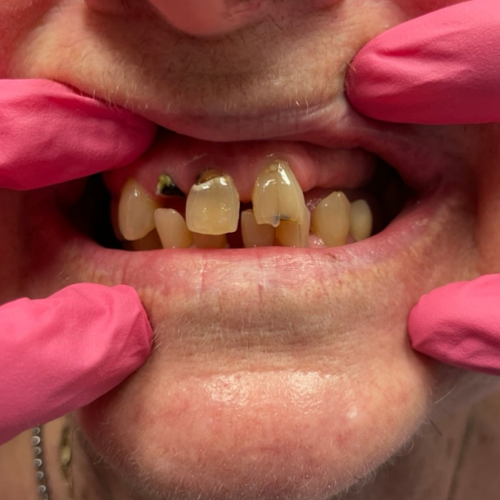
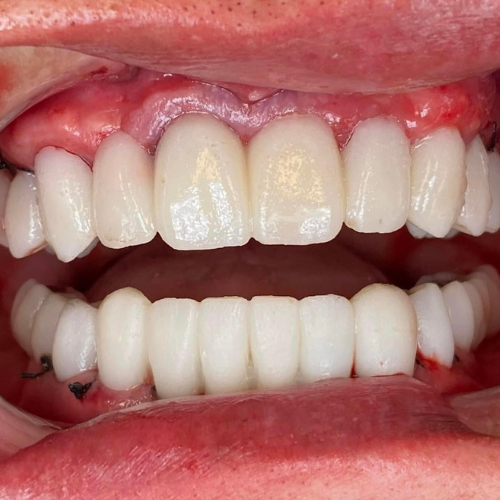
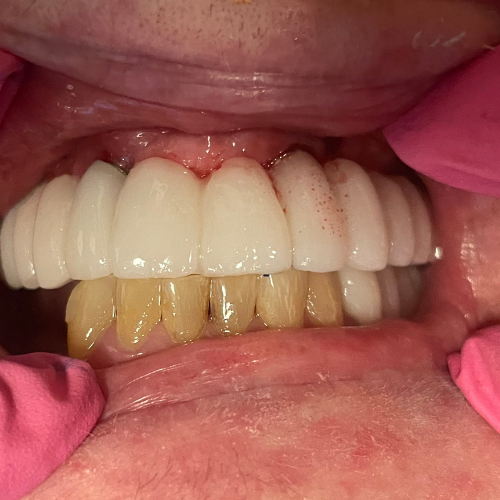
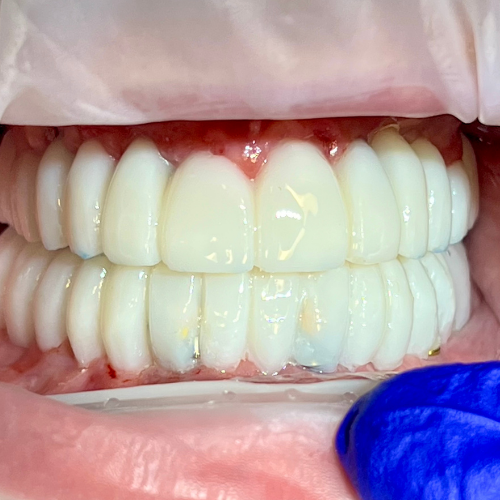
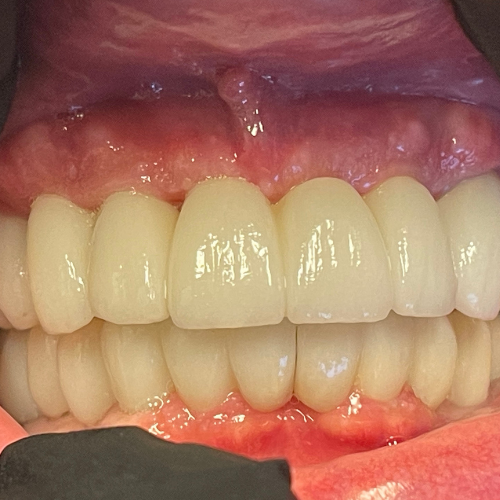
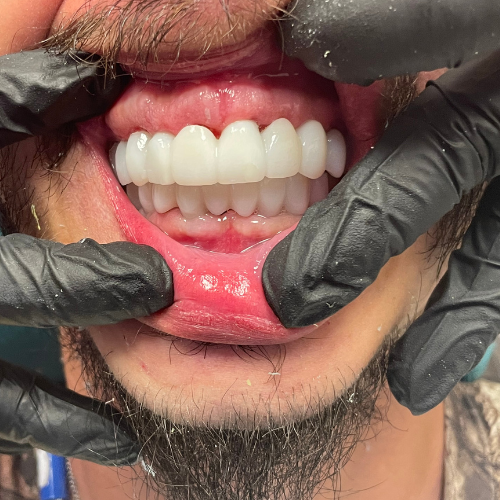
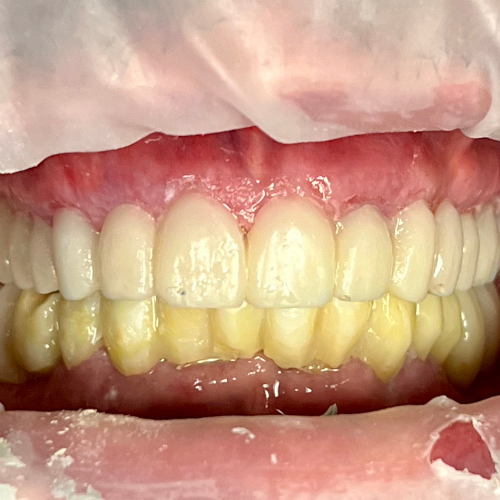
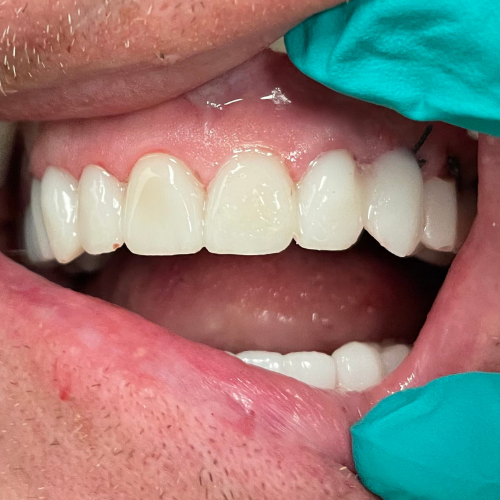
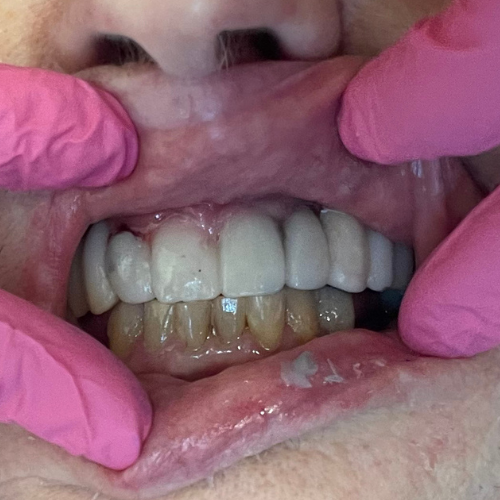
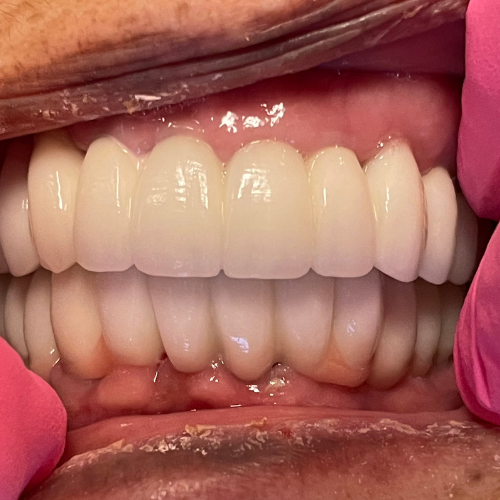
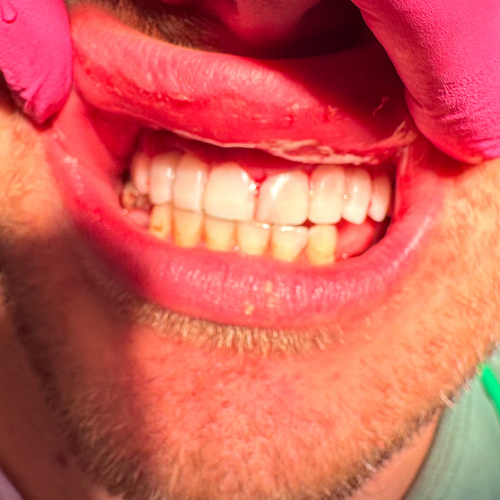
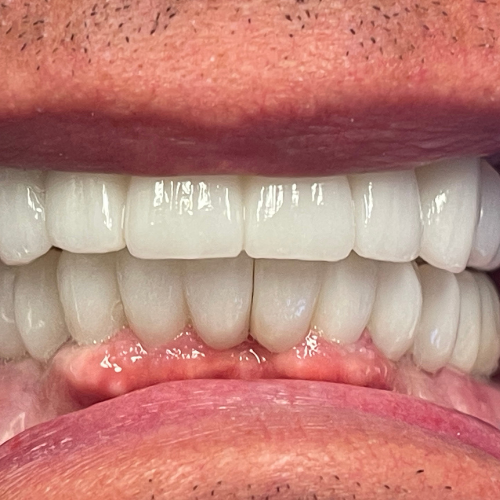
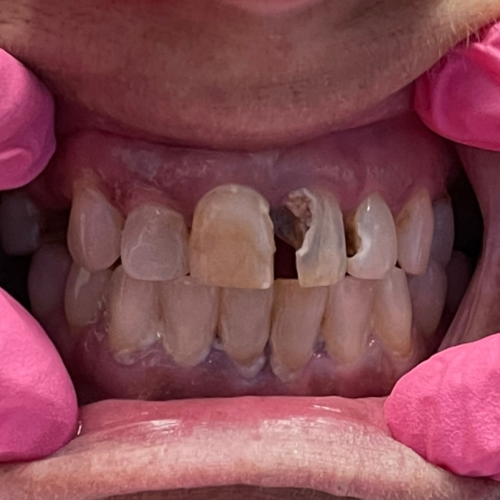
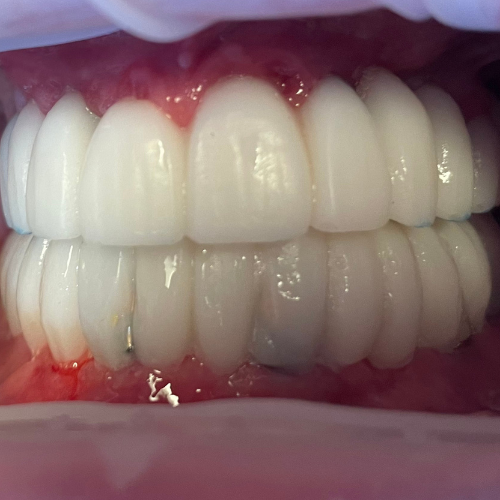
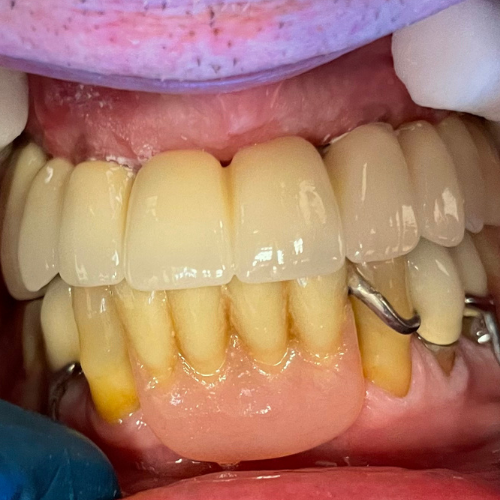
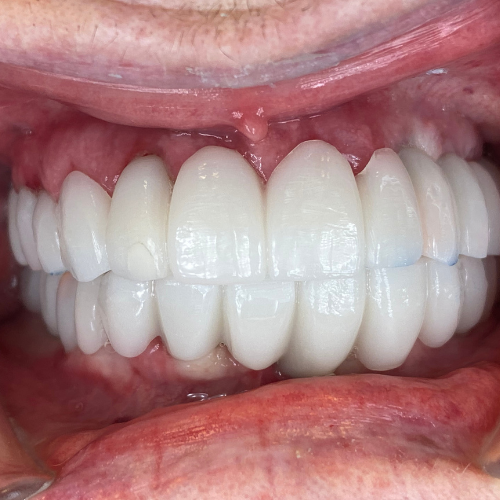
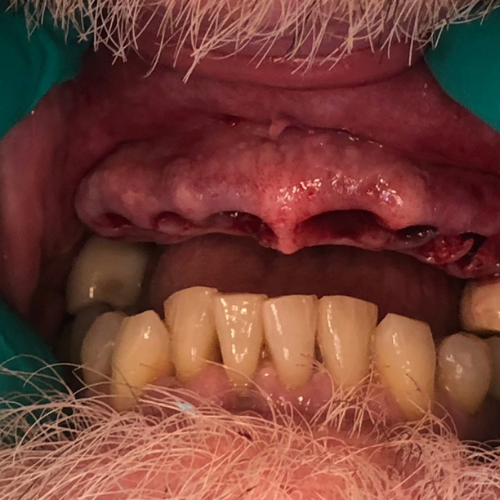
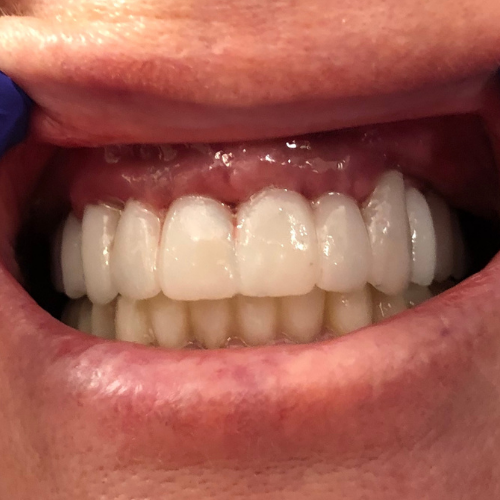
Before and After Smile Transformations
Explore our gallery of Before & After photos to witness the impact of our dental care. These transformations are a testament to what’s possible when experience, technology, and personalized care come together.
Real Smiles, Real Stories
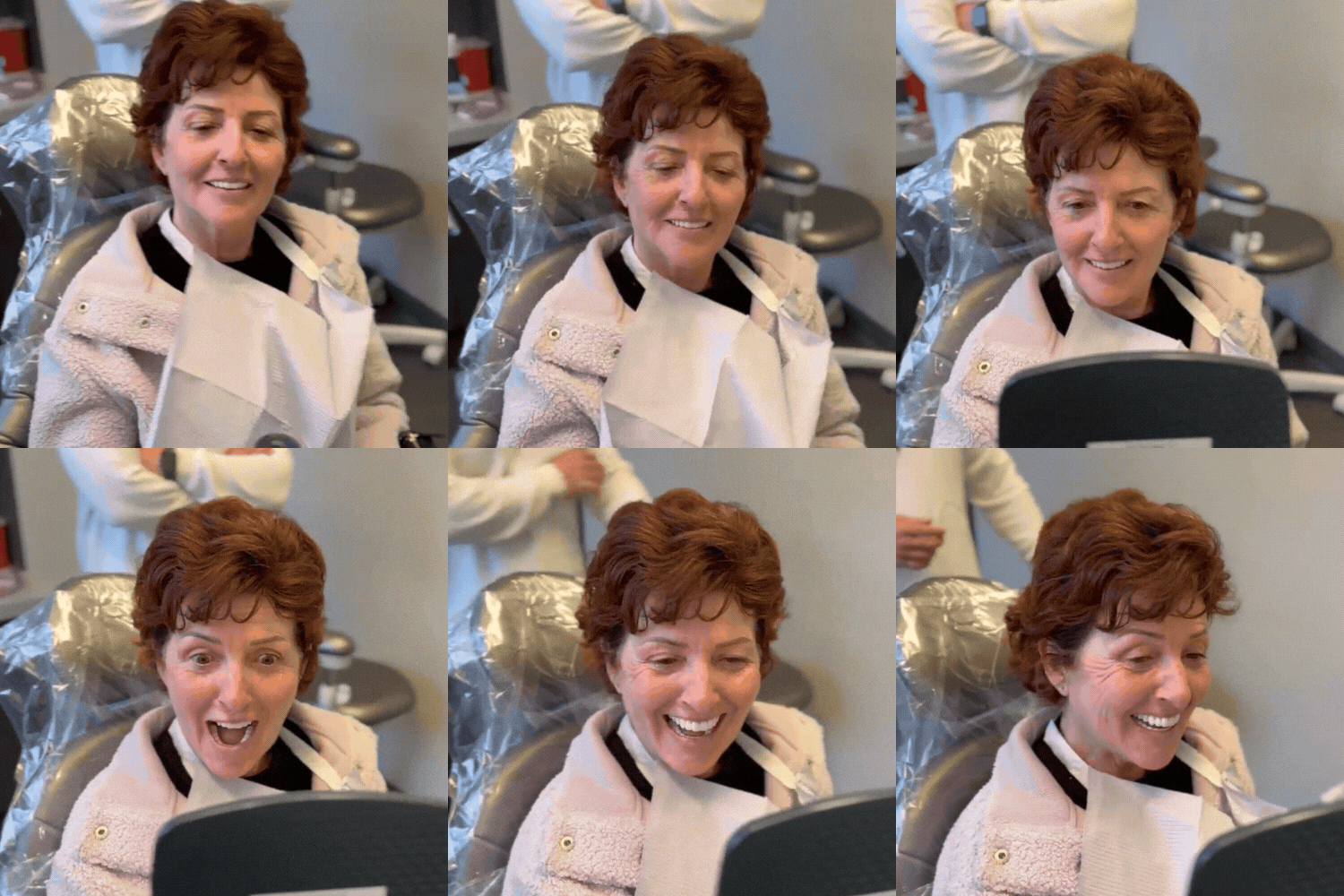
See the life-changing transformations of our patients as they share their journey to a brand-new smile. From restoring confidence to reclaiming comfort, these stories showcase the difference expert care and personalized treatment can make.
Schedule Appointment With
CR Smiles Dental Implant Center
Dental crowns and bridges are excellent solutions for restoring damaged and missing teeth, helping you achieve a healthy, functional, and confident smile. At CR Smiles Dental Center in Glendale, AZ, our team is dedicated to providing high-quality care and personalized treatment to meet your needs. If you’re ready to restore your smile with dental crowns or bridges, call us today at (623) 362-8200 to schedule your consultation. Let us help you regain the comfort and confidence you deserve!